
You post a photo of today's special, add "Enjoy!", and wait. A few likes arrive, the phone stays quiet, and you conclude that marketing doesn't work for restaurants. The photo wasn't the problem. It was a task, not marketing.
Marketing in one sentence
Marketing is the vehicle that takes your offer to the people most likely to want it, with a reason to act now. Posting, emailing and running a promotion are only the tools. Without a clear idea behind them, they are noise.
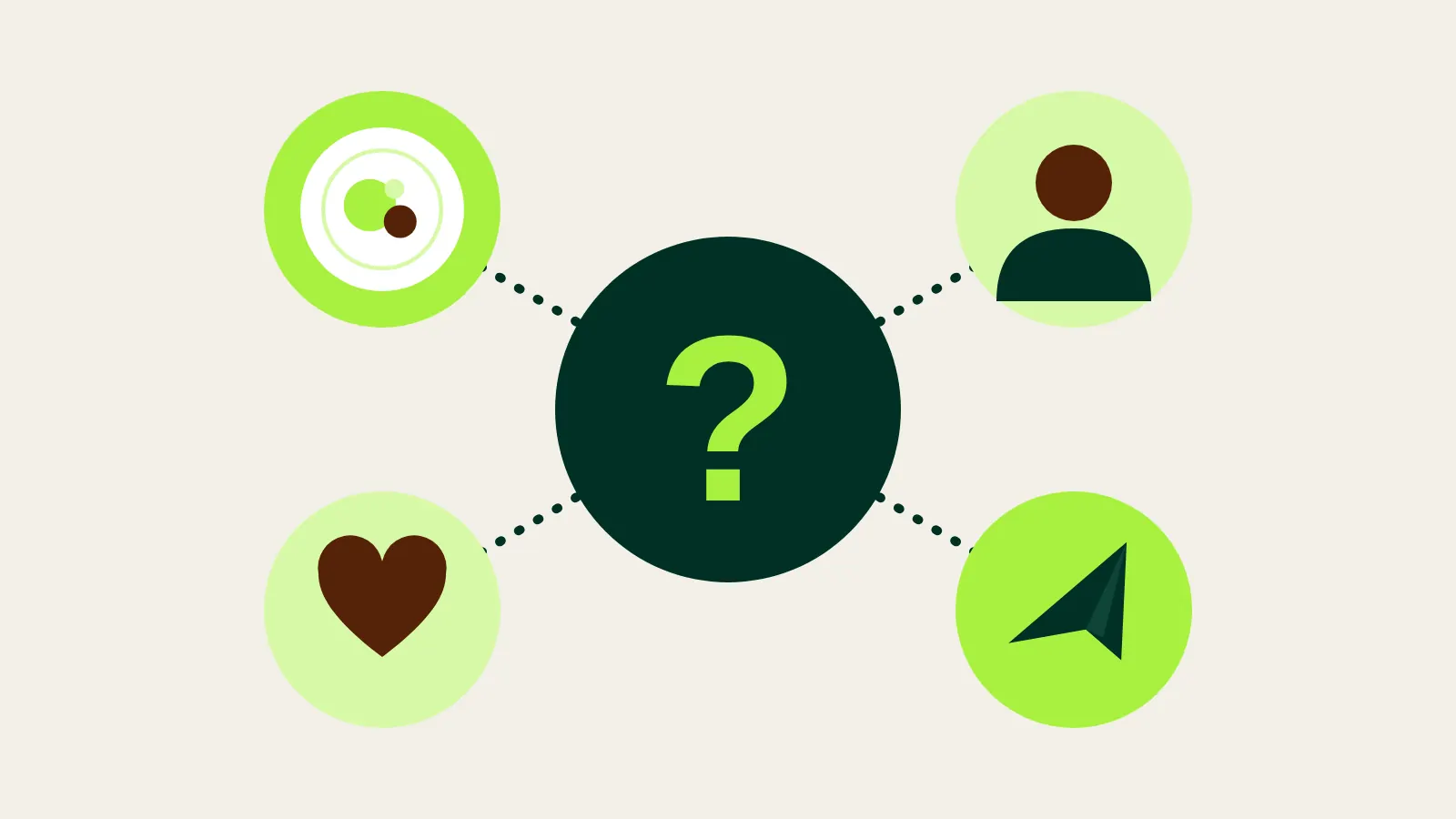
A simple way to keep the idea clear is to ask four questions, sometimes called WWWH after the English what, who, why and how.
The four questions
- What? What exactly are you offering? A dish, a set lunch, a family box, a new opening time.
- Who? Who is it for? Not "everyone", but a specific kind of customer.
- Why? Why should that person care? What problem does it solve or what wish does it satisfy?
- How? How will you reach them? Which channel, at what moment, with what call to action?
It looks obvious. Yet most campaigns that fall flat skipped at least one of these.
Put a typical post through the test
Take the usual post: a nice photo of a dish and "Enjoy!".
- What? A dish. Fine.
- Who? Unclear. It is for everyone, which means for no one in particular.
- Why? No reason, no hook, no urgency.
- How? Posted and left to the algorithm.
Three questions out of four are empty. That is why it rarely sells.
Now answer all four. For example: a grilled chicken bowl (what), for people who work nearby and have 30 minutes for lunch (who), because it is healthy and ready when they arrive (why), shared in a short post at 11:00 and in an email to lunchtime regulars, with "order now, collect at 12:30" (how). Same kitchen, same dish, but now it is marketing.
The mistake of starting with "how"
Most owners start by asking which social network to use or whether to try ads. That is choosing the car before knowing where you are going. The channel only makes sense once you know who you are talking to and why they should listen.
Start with "who" and "why". The "what" usually becomes clearer, and the "how" almost picks itself: you go where that person already is.
Who: the question that holds everything up
Without knowing your customer, the other three answers are guesses. Who orders from you? When? What do they keep coming back for? What do they complain about?
Your best source is the customers you already have. Their orders, their reviews and the questions they ask the team tell you more than any trend report. If you haven't done it yet, define your ideal customer before your next campaign.
Turn it into a habit this week
- Write the four questions on a card and keep it where you plan posts and promotions.
- Before the next action, answer each in one sentence. If one stays blank, fix it before you publish.
- Look back at your last five posts and score them. Which questions were missing?
- Pick one group of customers, for example weekday lunch regulars, and plan one action fully answered for them.
- After it runs, check what happened: orders, replies, new customers. Keep what worked.
Where measurement comes in
Marketing gets easier when you can see who reacted. A post on social media tells you about likes. Orders on your own channel tell you who bought, what and when, which feeds straight back into "who" and "why" for the next action.
How GetFoodies helps
GetFoodies gives you your own ordering site with your brand, a customer list you own, email marketing to reach the right people, and a dashboard showing which actions turned into orders. GetChef can suggest promotions ready to send, and you decide what goes out. If you would like a channel where your marketing can be measured, create your free site.