
Many owners are sure they know their customers. They see them every day, after all. But seeing someone order is not the same as knowing why they chose you tonight, what nearly made them go elsewhere, or what would bring them back next week.
What an empathy map is
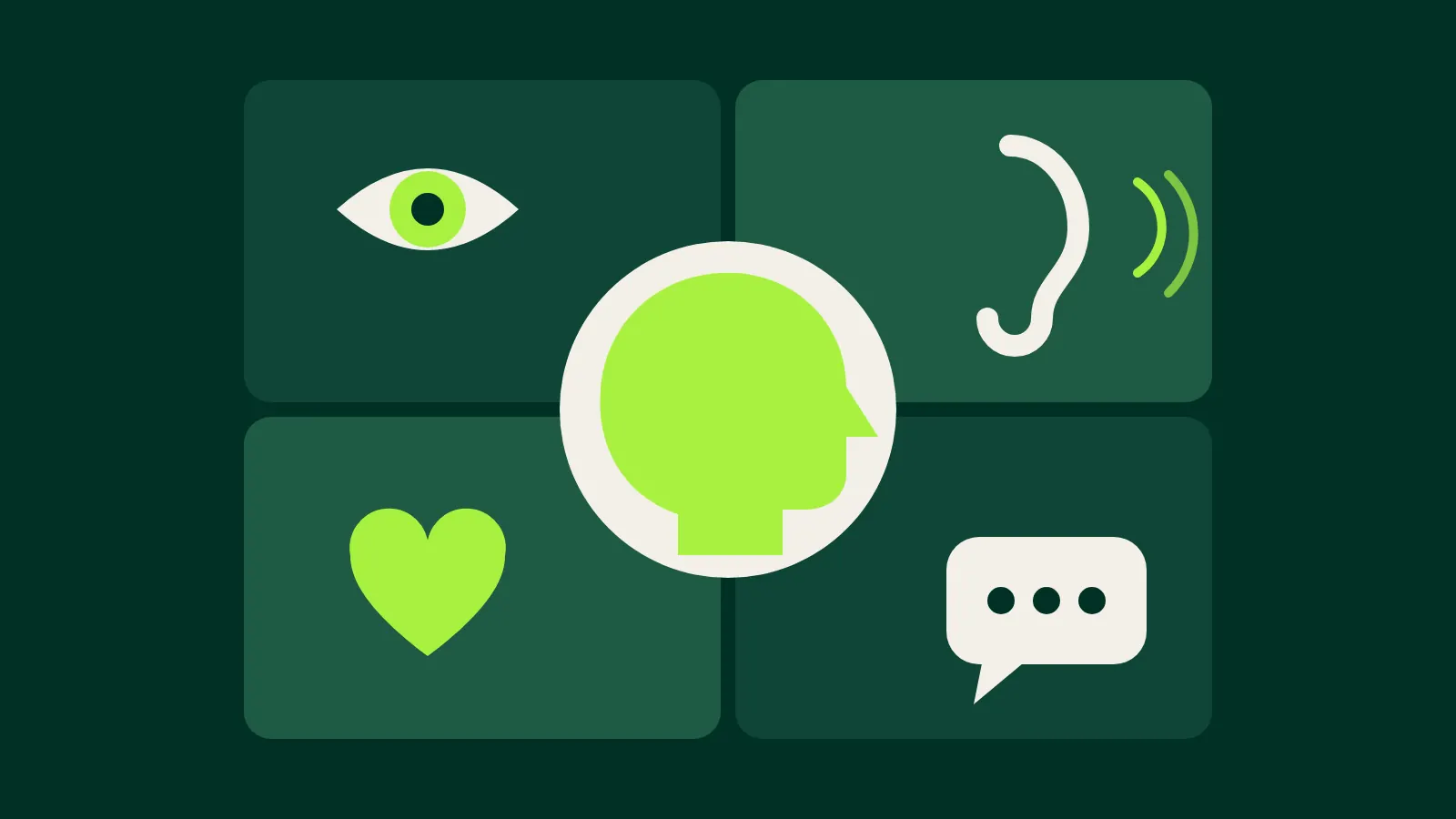
An empathy map is a simple picture of your ideal customer's inner world. Instead of looking at them from outside, through cold data, you try to see the world from where they stand.
It usually has six boxes:
- Thinks and feels: worries, hopes, what matters to them.
- Hears: what friends, family, colleagues and influencers say.
- Sees: their surroundings, their daily routine, what other places offer.
- Says and does: how they behave, what they tell others, what they actually order.
- Pains: frustrations, obstacles, fears.
- Gains: what they want to achieve, what would make them happy.
It works best for one specific person, your persona, rather than for "our customers" in general. If you haven't defined one yet, start with your ideal customer.
A worked example
Say your persona is Laura, a nurse who works rotating shifts near your restaurant.
- Thinks and feels: tired, wants to eat well but has no energy to cook after a 12-hour shift.
- Hears: colleagues swapping tips on where to get decent food late.
- Sees: a vending machine, a fast-food chain, and places that close before her shift ends.
- Says and does: orders on her phone in the break room, often the same dish, and pays online.
- Pains: late deliveries, cold food, kitchens closed when she finishes, menus that are hard to read on a phone.
- Gains: a warm, healthy meal she can trust, ready when she gets out, without thinking too hard.
Suddenly the offer is obvious: a short "after-shift" menu, clear collection times, her usual dish easy to find and a message that speaks her language, like "Finished your shift? Dinner's ready when you are."
Why it helps you sell
When you know the pains and the gains, you stop "selling food" and start solving a problem: no time at lunch, the wish for a special night, the search for something healthy without fuss. People respond to messages that describe their own situation, because they recognise themselves.
From map to action
The map isn't a pretty poster for the office wall. Use it to:
- Write better: your posts, emails and menu descriptions talk about the pains and gains you found.
- Design the offer: dishes, portions, times and bundles that answer real problems.
- Choose channels: speak where the customer actually hears and sees things.
- Shape the brand: tone, photos and atmosphere match what they feel.
Check it against real customers
A map invented at a desk is mostly a guess, and often it reflects what the owner wants rather than what customers want. Check it:
- Talk to five regulars and ask what nearly stopped them ordering the first time.
- Read your last 20 reviews and note every pain and every compliment.
- Ask the team what customers ask most often at the counter or on the phone.
- Look at your order data: what people order, when, and how often.
The real pains are usually in plain sight, in questions, complaints and habits, if you look for them.
Do it this week
Block one hour. Pick one persona, fill the six boxes on a sheet of paper, then circle the biggest pain. Choose one change that eases it, a clearer menu, a new time slot or a better message, and try it for a month.
How GetFoodies helps
GetFoodies shows you how your customers really behave on your own channel: what they order, when and how often. Dish reviews tell you what they love and what they don't. That turns your empathy map from a guess into something grounded in facts, and email marketing lets you speak to each group in the right words. To start learning from your own customers, create your free site.