
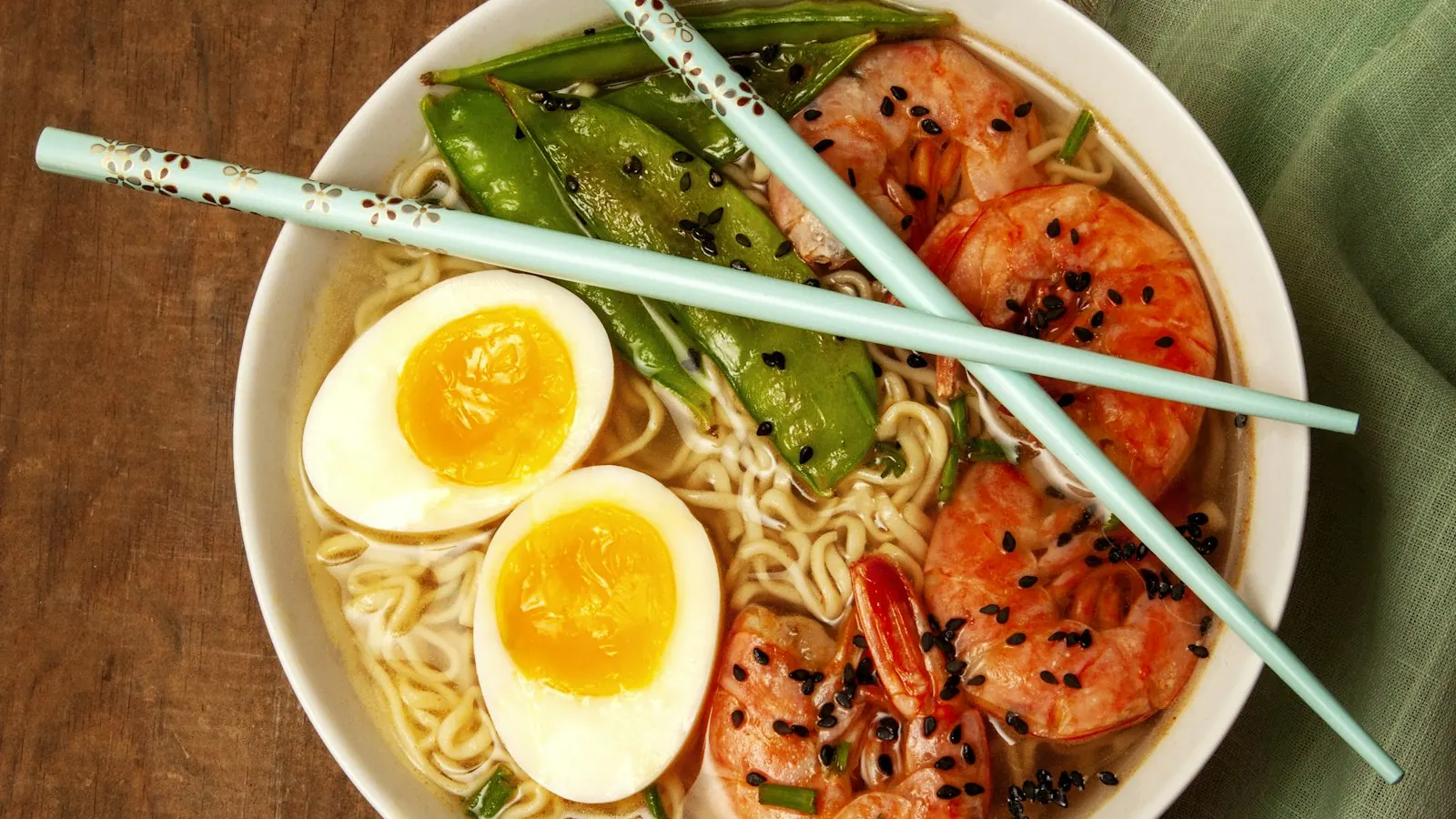
The temptation is huge: put everything on the menu so nobody leaves disappointed. Pizza, burgers, sushi, salads, a few traditional dishes. It feels safe. In practice it often turns you into "just another place", and just another place competes on price.
The problem with pleasing everyone
When the menu has a bit of everything, three things tend to happen:
- You aren't special at anything. Customers can't say what you are known for. "They have food" isn't a reason to choose you.
- Operations get harder. More dishes mean more ingredients, more stock, more waste, more training and more room for error on a busy night.
- Price is all that's left. Without a clear difference, customers compare you on price, and that race to the bottom is very hard to win.
The power of a niche
A niche is the opposite. It means saying "this is what we're best at" and living up to it. Think of the place everyone in town calls "the ramen place" or "the best roast chicken in the neighbourhood". When you specialise:
- You become the reference. People remember you for one thing and come to you when they want it.
- You can charge for value. A speciality done well justifies its price better than a generic dish.
- The kitchen gets simpler. Fewer dishes, done better, with less waste and steadier quality.
- Customers come back. If you serve one craving really well, they return every time they feel it.
"But I'll sell less"
It is the natural fear, and it is usually misplaced. Fewer dishes doesn't have to mean fewer sales. It can mean more sales of the right dishes, to people who look for you on purpose. It is better to be the destination for one group than the lukewarm option for everyone.
A worked example
Say a family restaurant has 60 items on the menu. When the owner checks the sales from the last three months, a handful of grilled dishes make up a big share of orders and most of the compliments in reviews. Many other items sell a few times a month and tie up stock.
The owner cuts the menu to around 20 items built around the grill, renames the place "grill house" in all its messages, and photographs the five best dishes properly. Fewer ingredients to buy, faster service, and a clear answer when someone asks a friend "where should we go for grilled food?". The numbers are hypothetical; the logic applies to many menus.
How to choose your niche
- Look at what you already do best: your best-selling and best-reviewed dishes.
- Look at your area: where is there demand and little good supply?
- Look at your customer: what specific craving or need could you serve better than anyone?
The right niche is where those three overlap. It can be a cuisine, a dish, a moment (healthy lunch, late-night food) or a type of customer (families, office workers).
Don't fear saying no
Choosing a niche means some people won't find what they want with you. That is uncomfortable. But that "no" is exactly what makes you a clear "yes" for the right customers. Trying to be everything for everyone is the road to being forgettable.
Start this week
- Ask yourself: if I had to be known for one thing, what would it be?
- Pull your sales for the last few months and mark the dishes that sell well and earn a good margin.
- Read your reviews and note what people praise most.
- Pick three dishes to retire or pause, and one speciality to put front and centre in your next posts.
For a closer look at which dishes deserve their place, see our guide to menu engineering.
How GetFoodies helps
GetFoodies shows which dishes sell on your own channel and what customers say about them in dish reviews, so you can see where you are already strong. Your own branded ordering site, with a menu GetChef can help you tidy up, then tells that speciality clearly to every customer. If you are ready to focus, create your free site.