
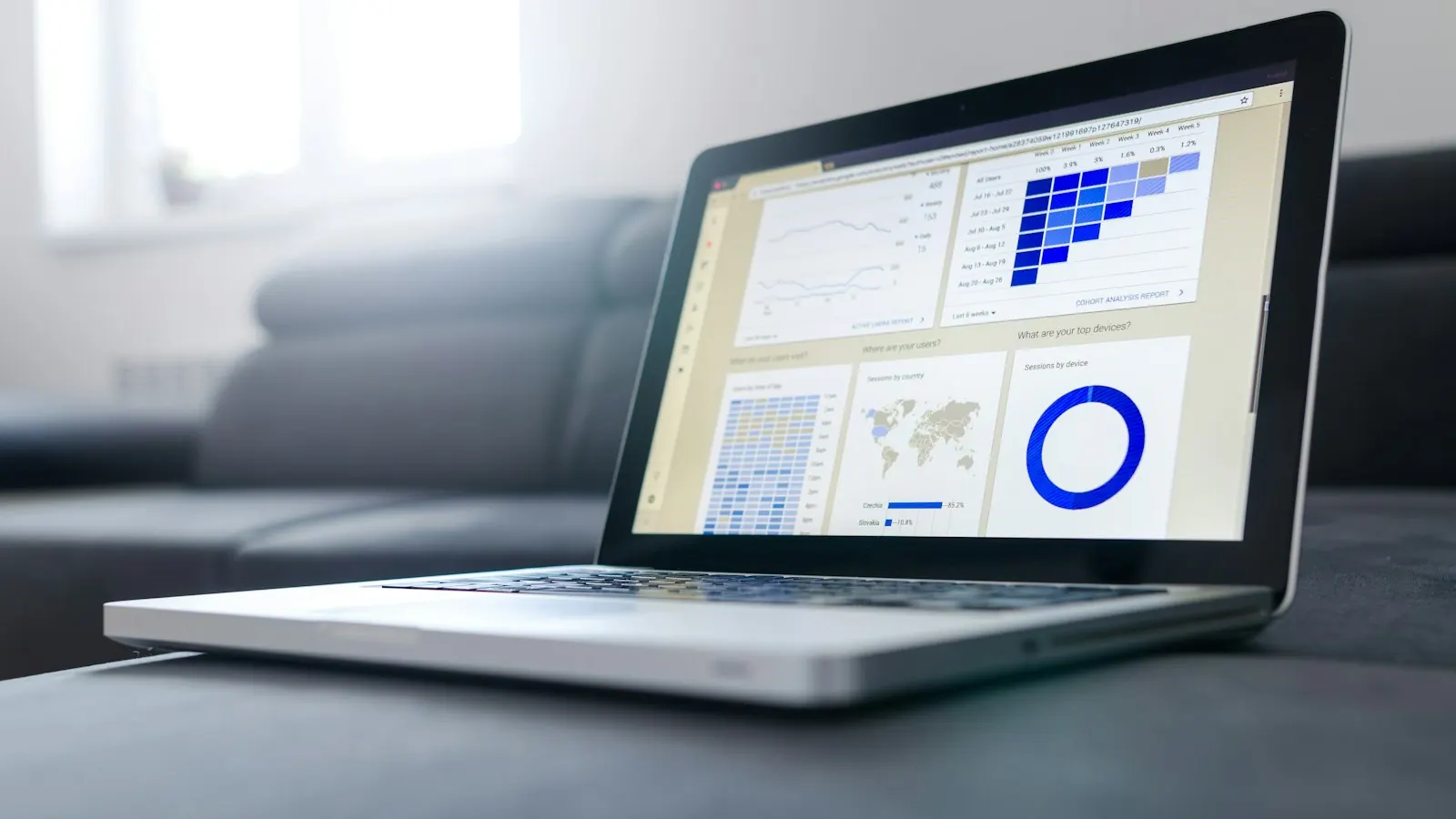
Running a restaurant without a dashboard is like driving without a fuel gauge. You only find out you're empty when the car stops. By the time the accountant sends last month's figures, the month is long gone and there's nothing left to change.
A good dashboard puts the few numbers that matter on one screen, up to date, so you can see how things are going while there's still time to act.
What a dashboard is (and isn't)
A dashboard is a single screen where you see your restaurant's most important numbers without hunting through five different places. It isn't an accounting report that nobody opens. It's a quick daily view that answers one question: how are we doing?
What to check every day
A handful of numbers, compared with the same day last week:
- Sales. Today and yesterday, against the same days last week. A Monday is best compared with a Monday.
- Number of orders and average order value. Are sales up because more people ordered, or because each order was bigger?
- Orders by channel. Dining room, your own site, phone, marketplaces. Each channel leaves a different margin.
- New and returning customers. New ones show your marketing is reaching people. Returning ones show they liked you.
- Recent reviews. A bad one is easier to handle the same day.
Five looks in the morning, and you know where you stand.
What to check every week
Once a week, go one level deeper to make decisions:
- Sales by dish. What to promote, what to rethink, what to take off the menu.
- Purchase frequency. Are your regulars coming back as often as before?
- Customers who've gone quiet. People who used to order often and stopped. They're your next win-back message.
- Average order value over time. Is it creeping up or down?
A worked example
Say on Tuesday morning you see sales were down on Monday compared with last Monday. Orders were about the same, but the average order fell. You look closer: fewer people added a dessert or a drink.
That's a small thing to fix today: brief the team, check the dessert is visible on your site and the menu. Without the dashboard, you'd have found out in a month's time, if at all.
Or say returning customers have been slipping for three weeks. That's not a crisis yet, but it's a clear sign to send a message to the regulars who've gone quiet before the drop shows up in sales.
Why it changes how you manage
With a dashboard, you stop reacting to fires and start seeing them coming. You notice a dish losing steam in time to act. You know Tuesday's promotion worked because the number is right there. It's the difference between looking at the road and looking in the rear-view mirror.
What to avoid
- Too many numbers. Twenty figures nobody reads are worth less than five you check every day.
- Numbers scattered across tools. If you have to add things up by hand, it won't happen. Bring them into one place.
- Looking only at the end of the month. Information is valuable while you can still change the result.
Build the habit this week
Pick a fixed moment, like your first coffee of the day. Open your numbers for one minute and ask: what's different from last week? Write down one thing to act on. Do it for five days in a row and it becomes routine.
The GetFoodies Dashboard brings your orders, customers, marketing and numbers into one place, and GetChef can take you straight to the right screen. The Dashboard is in Portuguese today, with English coming soon, and orders from the marketplaces in the same dashboard are on the way too. If you'd like to see it, create your free site.